Basic Crochet Stitches for Beginners
This post may contain affiliate links. If you make a purchase through links on our site, we may earn a commission.
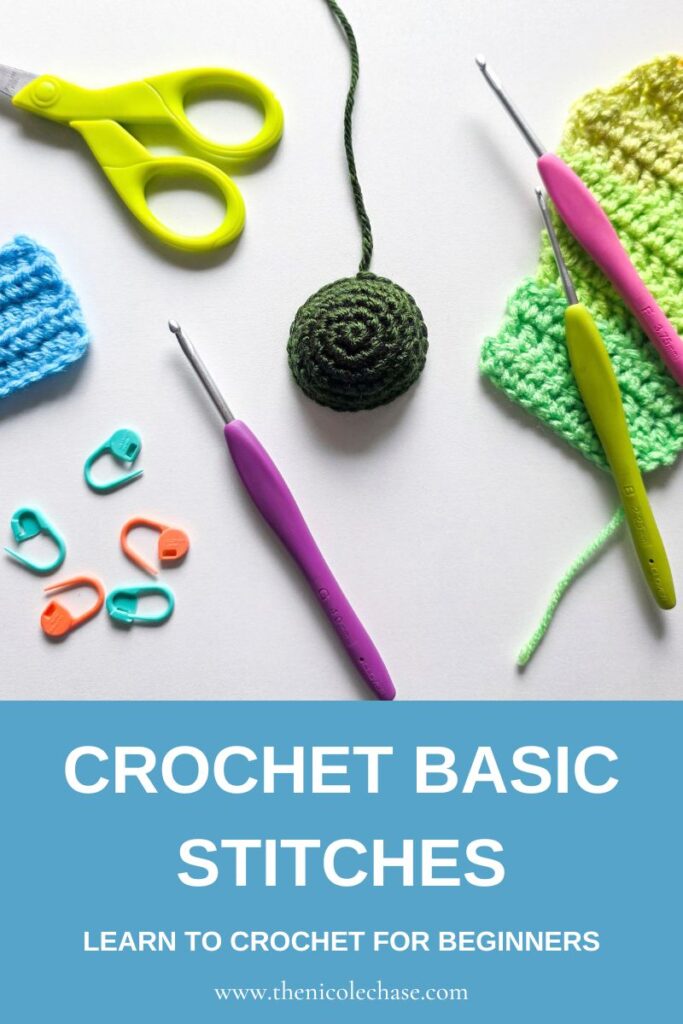
Learning to crochet can feel overwhelming with hundreds of stitches out there, but here is the secret: almost every project is built on just a handful of fundamentals. Whether you want to make cozy blankets, simple garments, or cute amigurumi plushies, mastering a few basic stitches for crochet is all you need to get started. In this guide, we’ll cover the absolute basic crochet stitches every beginner should know, from holding your hook and making your first chain, to working in the round and fastening off.
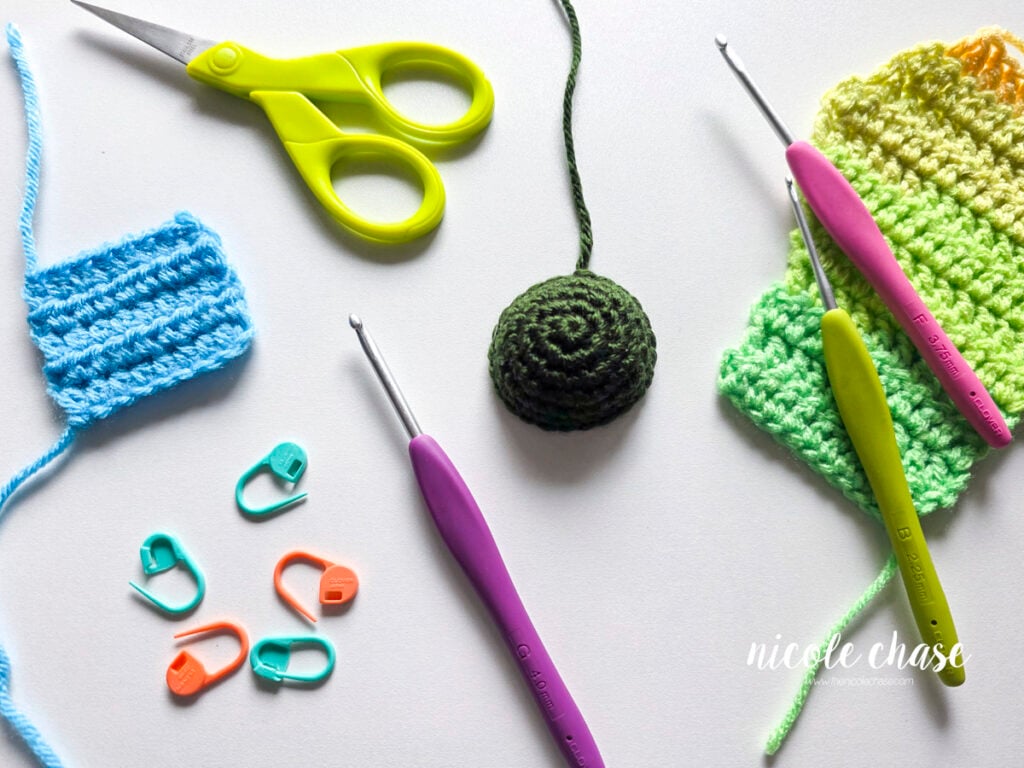
Table of Contents
Getting Started: Hook, Yarn & Setup
Before you dive into the basic stitches for crochet, setting up comfortable habits with your tools will make learning much smoother. Getting comfortable with how you hold your hook and control your yarn tension is the secret to even, consistent stitches.
Holding Your Hook and Yarn
Everyone holds their crochet hook and yarn a little differently; there is no single “right” way! Most crocheters naturally lean toward either the pencil grip (holding the hook like a pen) or the knife grip (holding it overhand like a butter knife).
Finding a comfortable grip and learning how to control your yarn tension (how tight or loose your yarn flows through your fingers) will keep your stitches consistent and prevent hand fatigue.
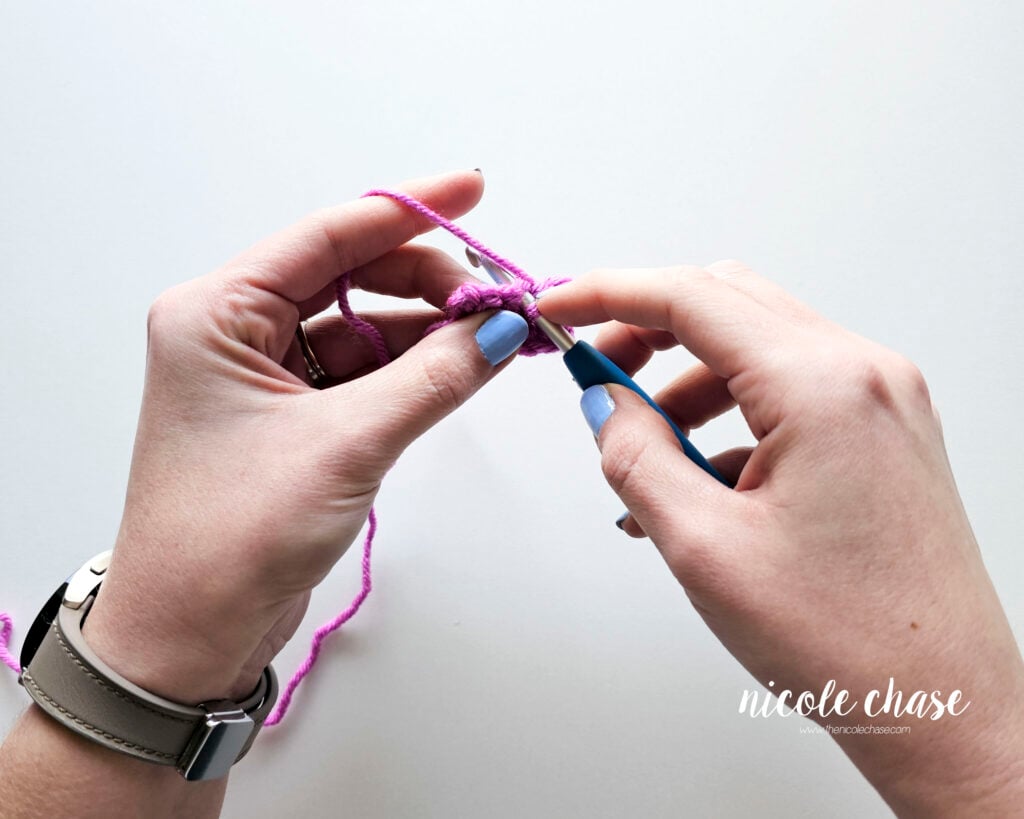
Need help getting comfortable? Check out my complete guide on how to hold a crochet hook and yarn (with video tutorial) to find the grip and tension style that works best for you!
Essential Beginner Setup Tips
Before making your first loop, two quick skills will help you when learning how to crochet for beginners:
- Understanding Yarn Labels: Your yarn wrapper tells you what weight you are using and recommends the ideal hook size. If you’re not sure what those symbols mean, take a quick peek at How to Read a Yarn Label.
- Reading Crochet Patterns: Patterns use simple abbreviations (like ch for chain or SC for single crochet). Reviewing How to Read a Crochet Pattern for Beginners will help you translate those shorthand terms as you learn each stitch below.
Essential Stitches
Once you have your hook and yarn ready, it’s time to start making stitches! So many crochet projects are made with these fundamental building blocks.
Slip Knot and Chain (ch)
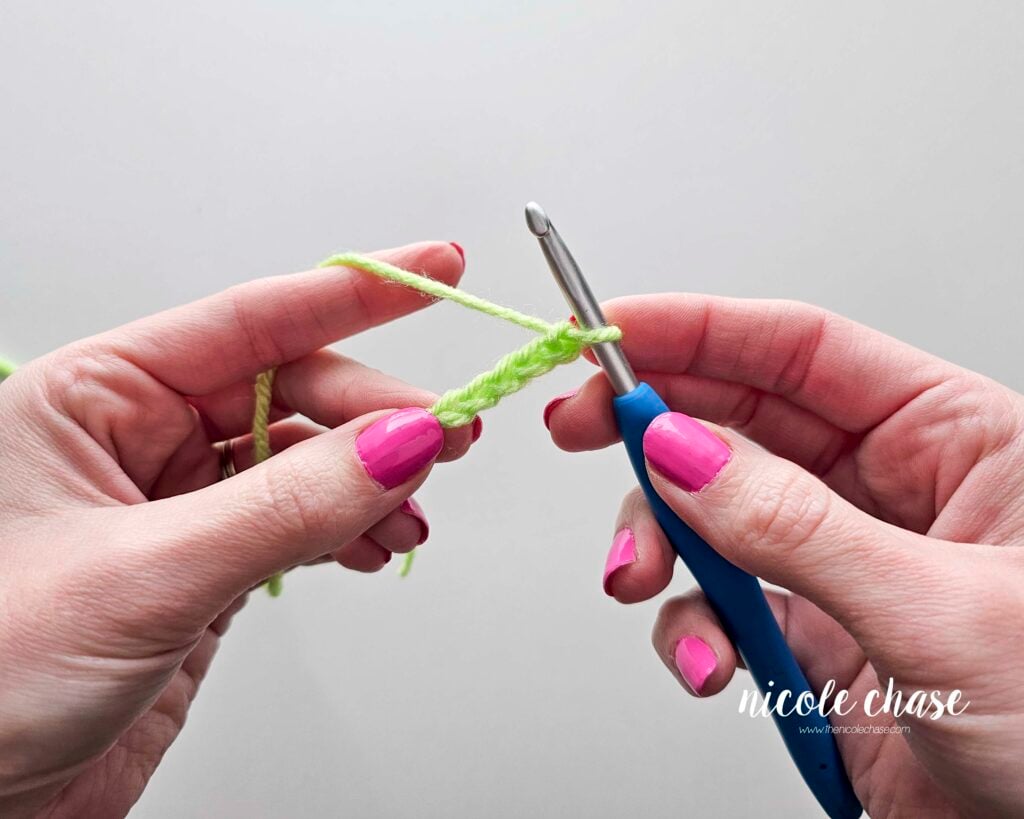
Before you can make your first row of basic stitches for crochet, you need to attach your yarn to the hook and build a base. This often starts with a slip knot and chain. Practicing chaining is also a great way to get comfortable with working with your yarn and hook.
A slip knot is the adjustable loop that secures your yarn to your crochet hook. Chain stitches are a series of connected loops made after your slip knot. The length of your starting chain determines the width of flat projects like blankets, scarves, and washcloths.
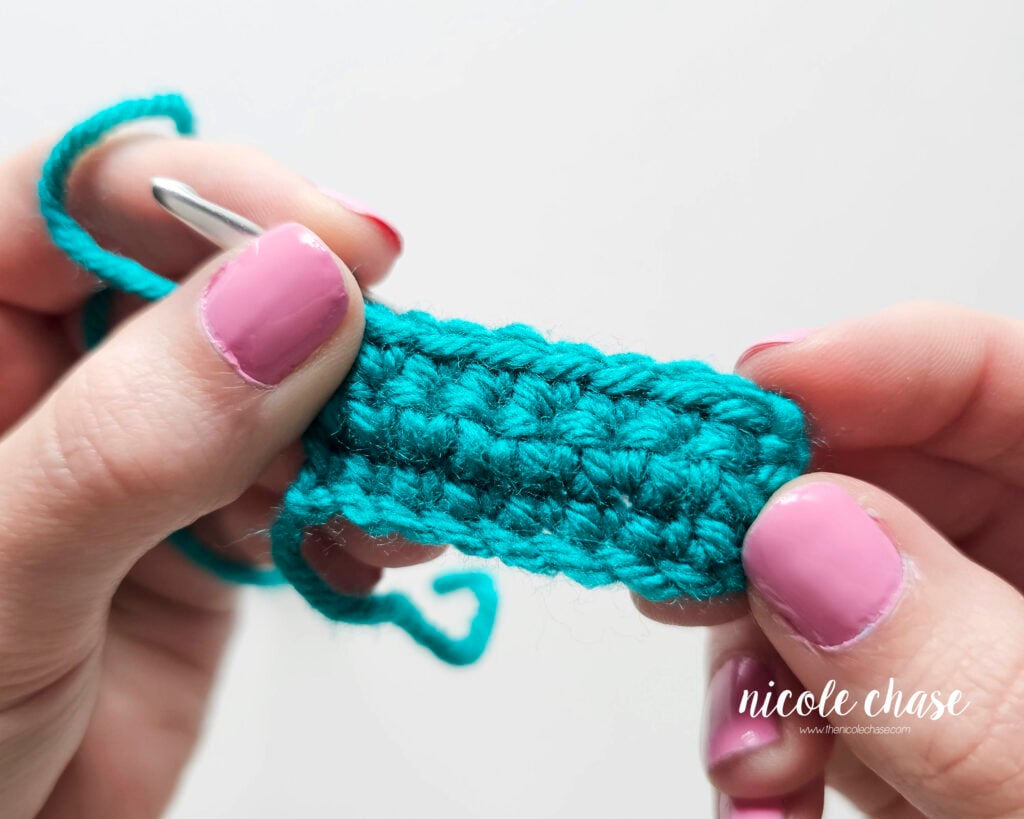
Single Crochet (SC)
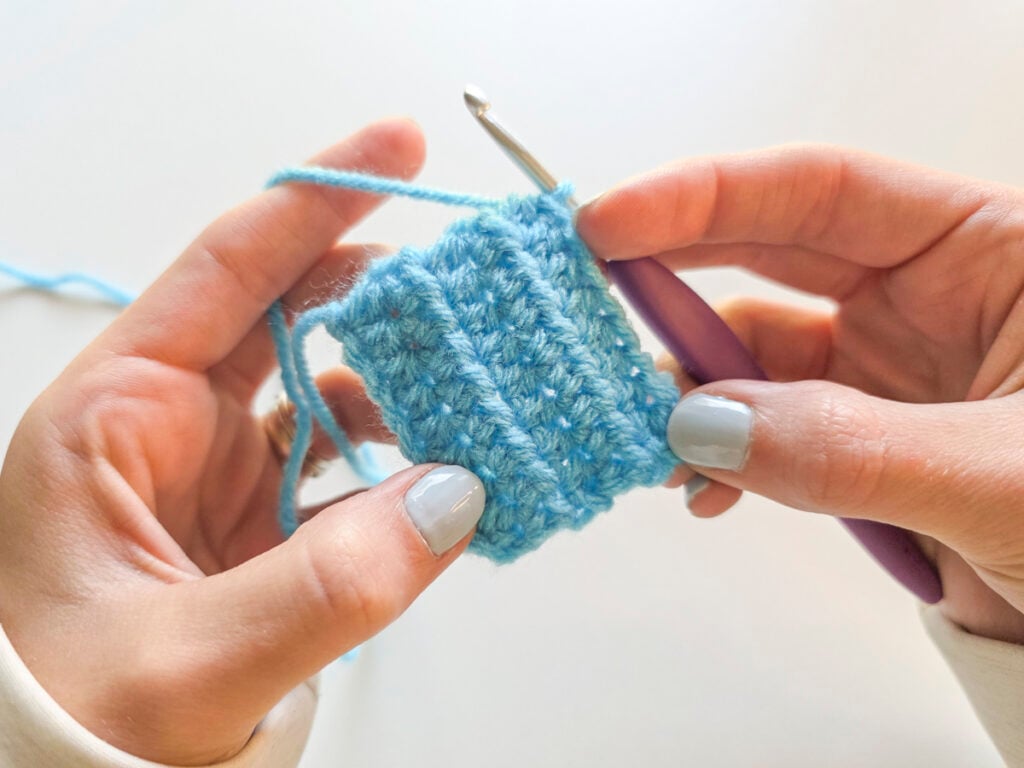
The single crochet stitch is the most basic, versatile, and frequently used stitch in the craft. It creates a short, tight, sturdy fabric with very few gaps. Because of its dense structure single crochet is the main stitch for amigurumi plushies and many other projects.
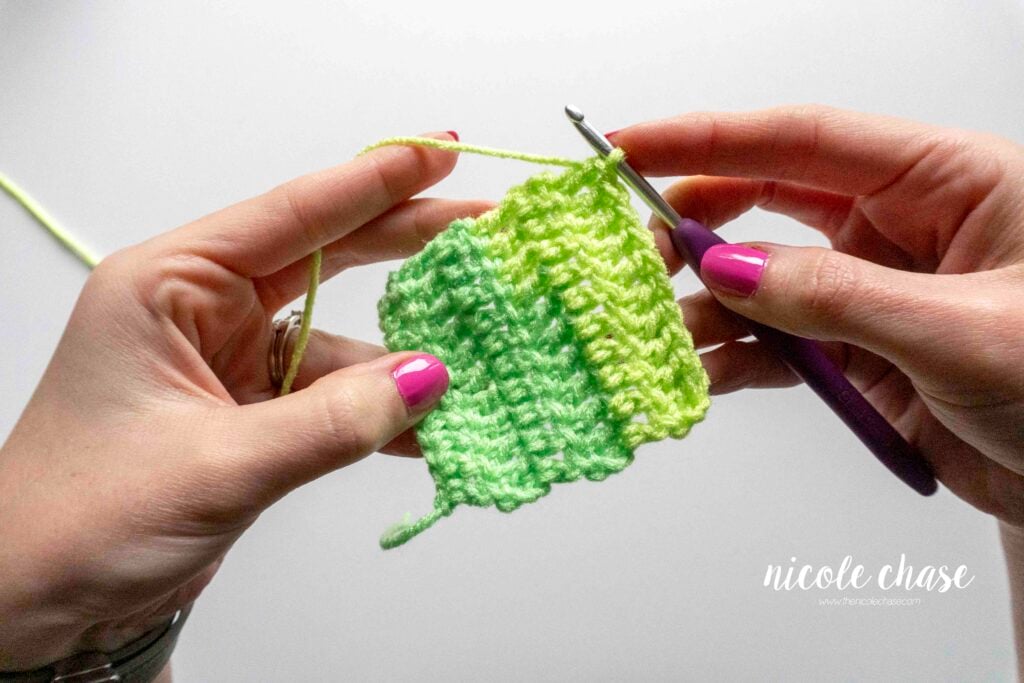
Double Crochet (DC)
Double crochet is roughly twice the height of a single crochet stitch. Because it creates taller stitches, your work grows much faster and has a loose, flexible drape. It is a core stitch in classic granny squares, blankets, and scarves.
Slip Stitch (sl st) and Fastening Off
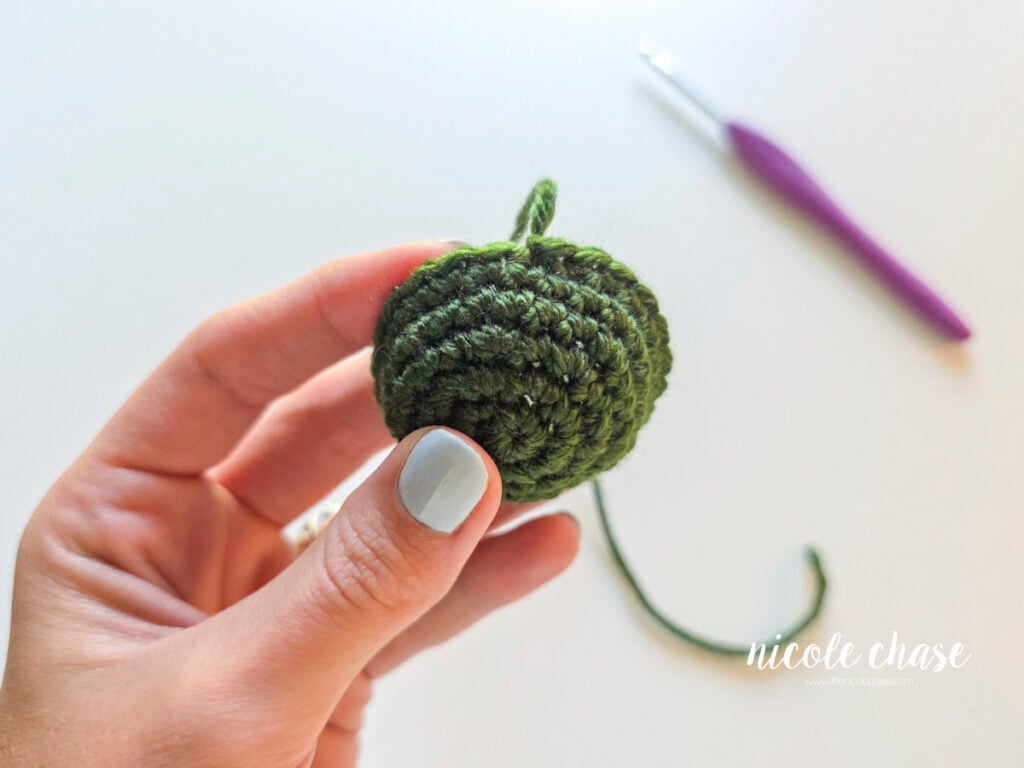
The slip stitch is the shortest of all crochet stitches. While it isn’t usually used to build rows of fabric on its own, it is essential for joining rounds, traveling across stitches without adding height, and creating neat, decorative edges.
Once your last stitch or join is done, fastening off is the final step that locks your working loop into a secure knot so your yarn work doesn’t unravel.
Circular and 3D Crochet Projects
While flat back-and-forth rows are perfect for blankets and scarves, many popular projects, like hats, granny squares, coasters, and plushies, are created in the round.
Working in circles allows you to create seamless shapes and 3D pieces (like balls, tubes, and stuffed animal parts). If you want a quick breakdown of how it works to crochet in rounds, check out my complete overview on Crocheting in the Round for Beginners.
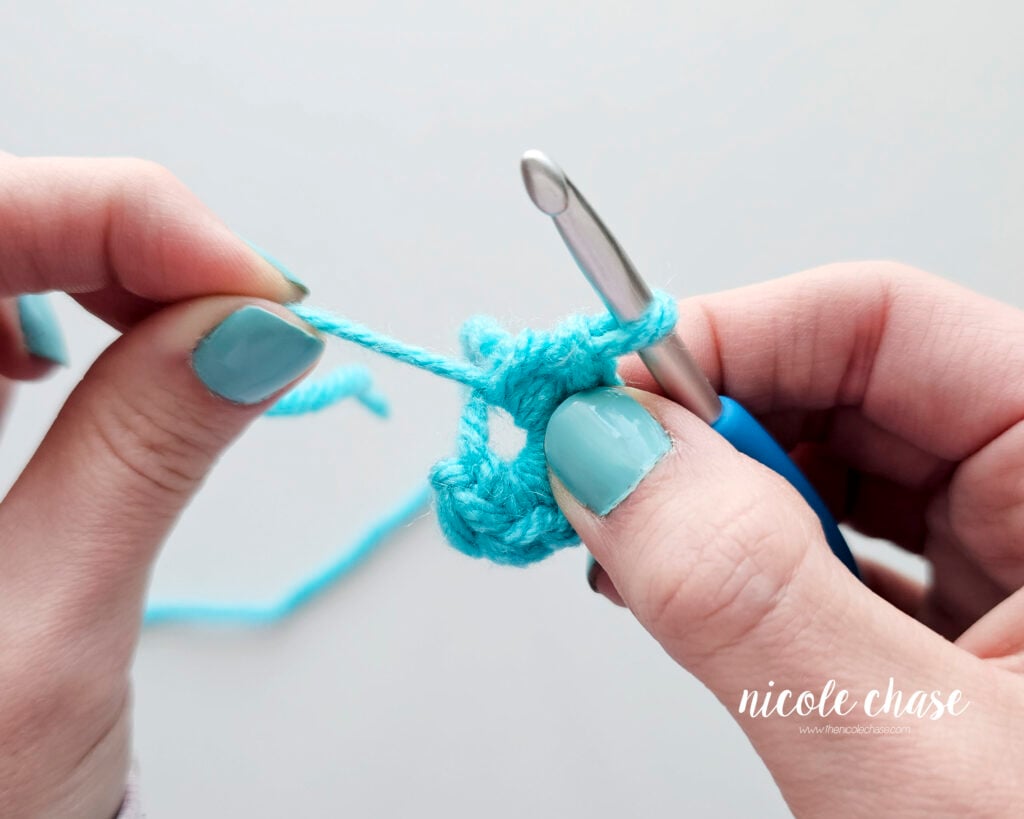
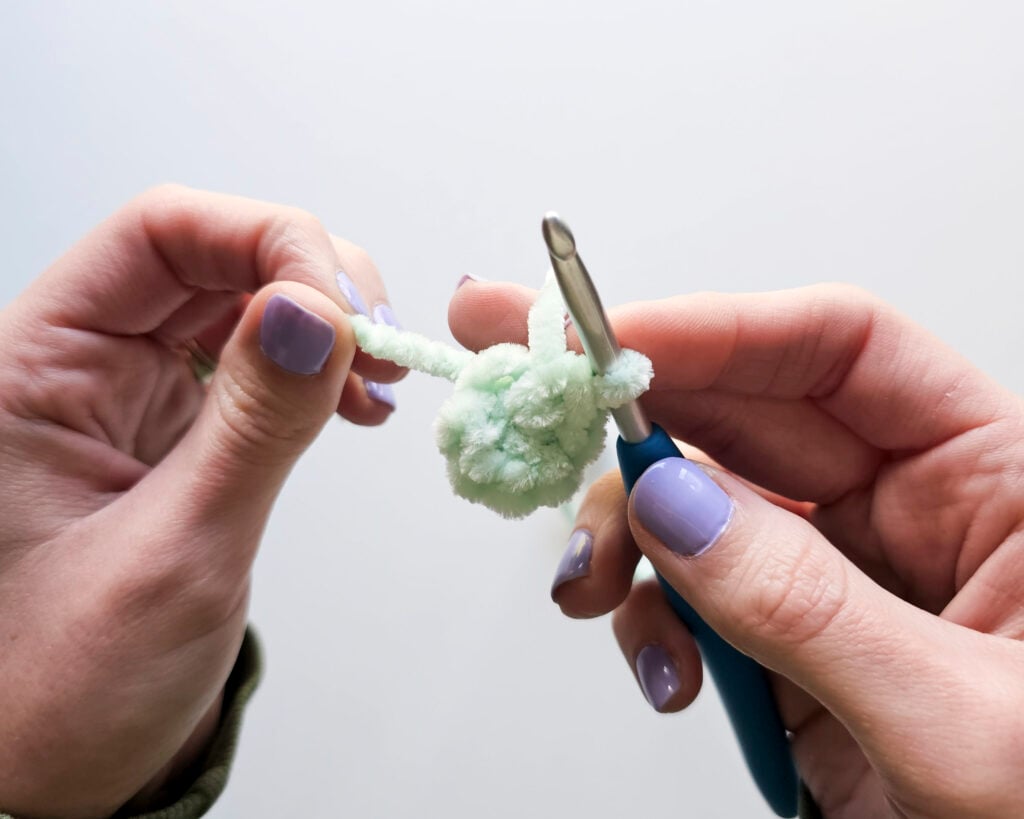
Magic Ring / Magic Circle
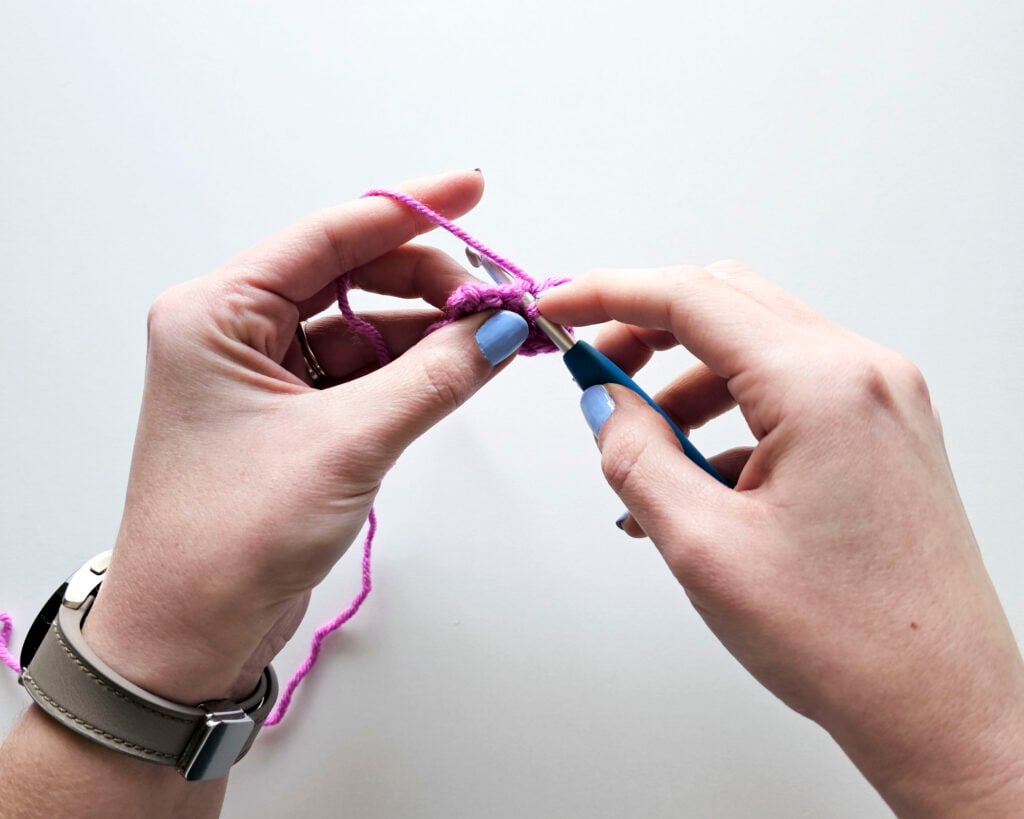
When starting a circular project, the magic ring is the absolute best technique to master. Unlike a standard chain circle, a magic ring lets you pull the center yarn tail completely tight, closing up the middle so there is zero gap or hole left behind. It is the go-to starting method for plushies, top down hats, and granny squares.
Ready to Make Plushies? Take Your Stitches Further!
Now that you have the basic stitches for crochet down, you have all the tools you need to tackle your very first project! If you’re excited to turn these fundamental stitches into cute stuffed animals, amigurumi is the perfect next step.
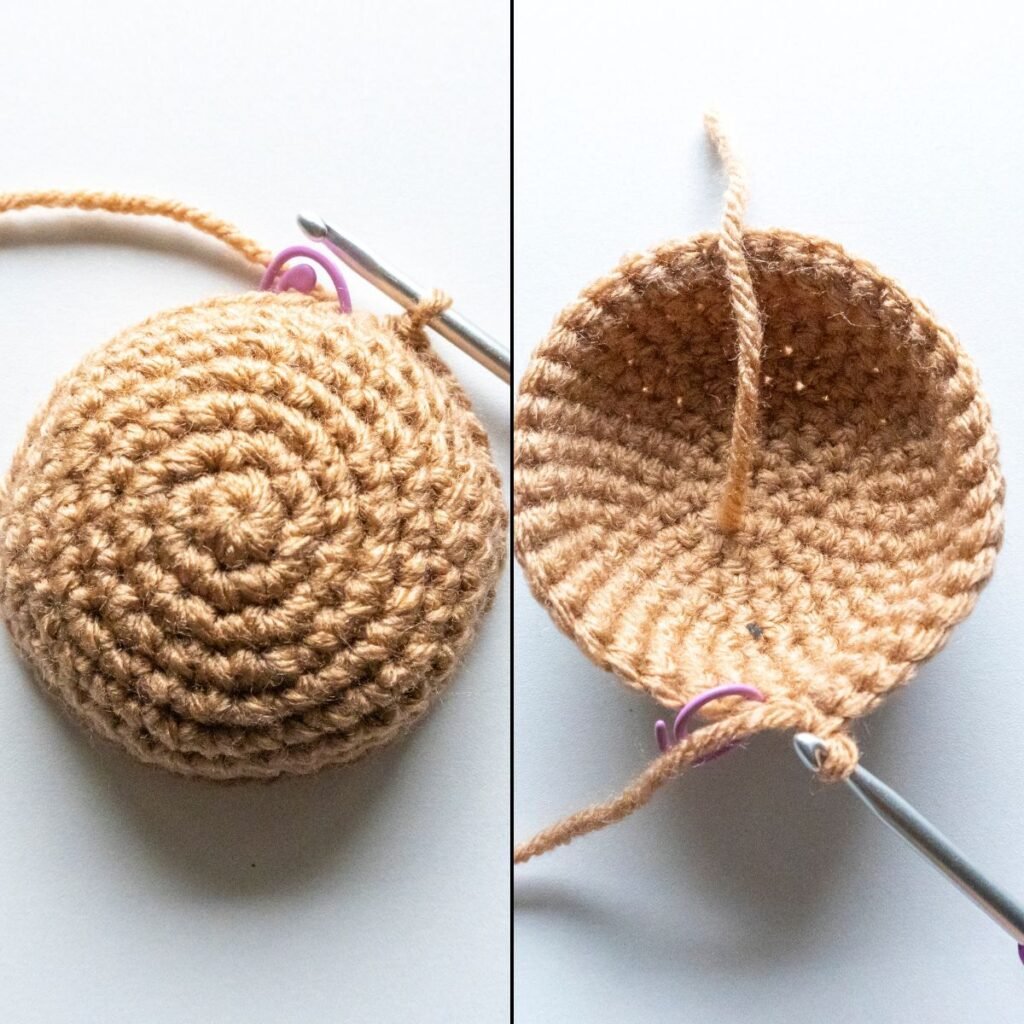
Amigurumi relies almost entirely on the single crochet stitch and working in continuous rounds. To help you bridge the gap between basic stitches and making your first plushies:
- Identify Your Stitches: Learn how to tell the front of your work from the back with Identifying the Right Side vs. Wrong Side of Amigurumi.
Enroll in the Free Amigurumi for Beginners Course Here!
Sign up for my Free Amigurumi for Beginners Email Course! I’ll guide you through each technique in order, complete with project practice and tips to make your first plushie a total success.
Learn How to Crochet Amigurumi!
Sign up for my free amigurumi for beginners course and learn everything you need to know to make your own crochet plush!
To see what is included, check out the course summary page!
I hope you’ve enjoyed learning the basic stitches for crochet and are ready to start your first project! Check back as I am always adding more tutorials on how to crochet for beginners.

More Beginner Crochet Resources & Patterns
Once you feel comfortable with the basic stitches for crochet, here are a few helpful guides and beginner patterns to explore next:
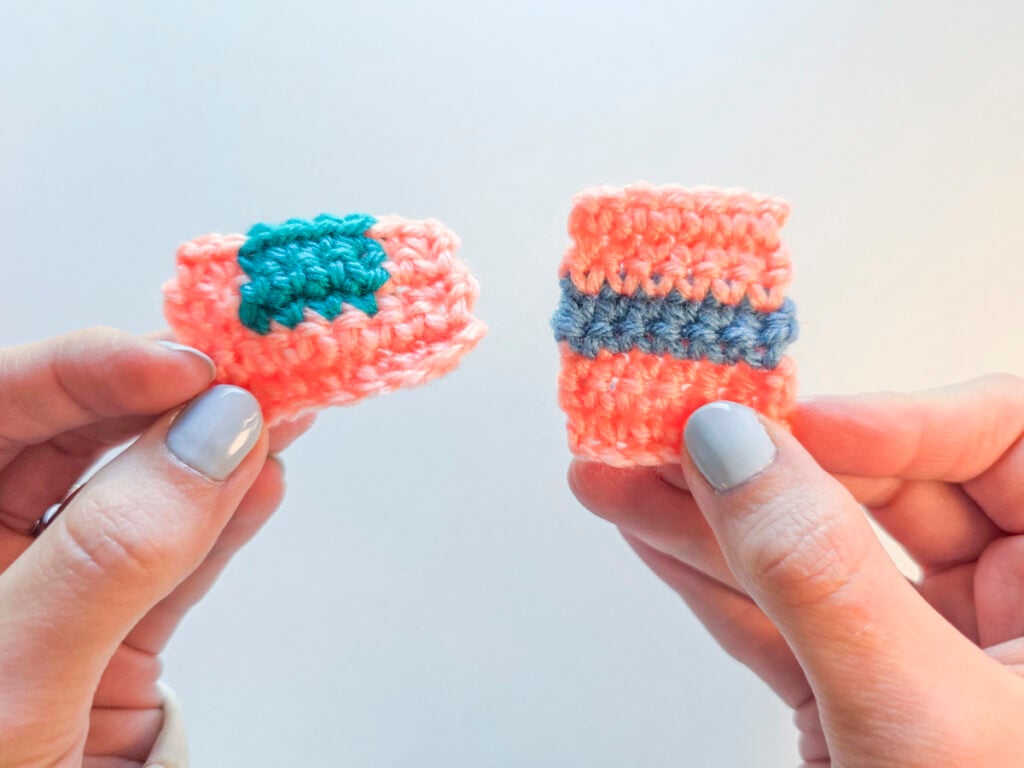
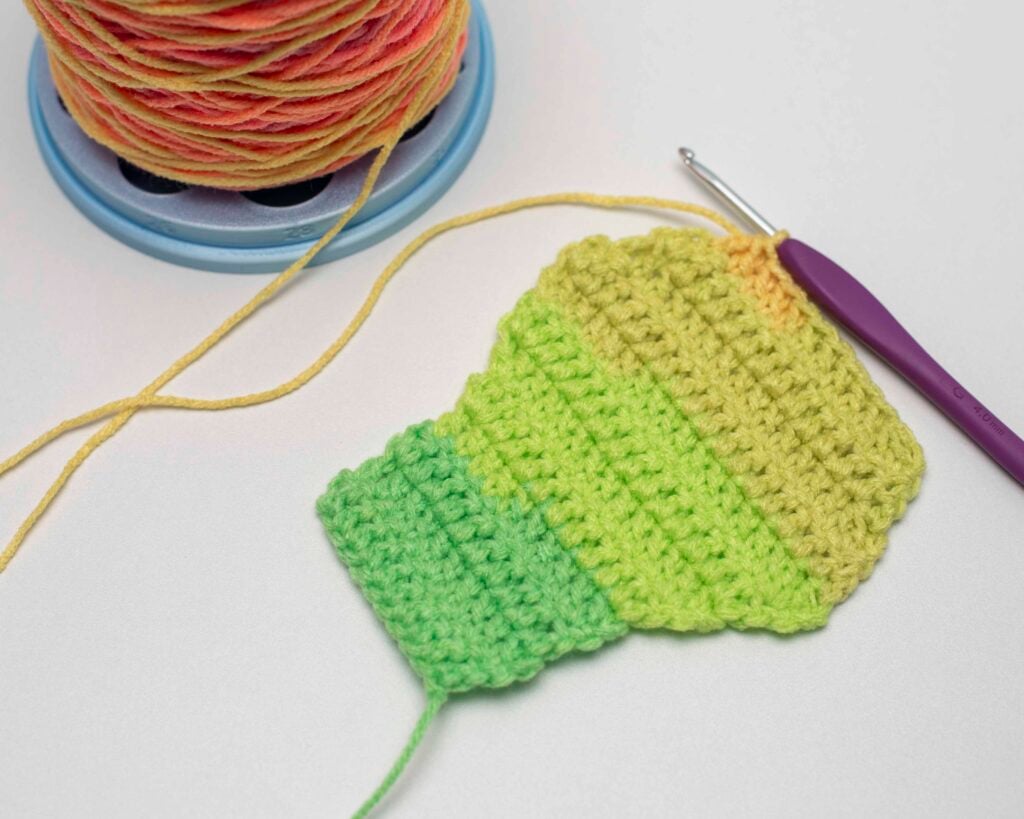
- Changing Colors: Ready to add stripes or new colors to your work? Learn how to change colors in crochet.
- Pattern Resources: Looking for project ideas? Check out where to find free crochet patterns.
- Quick Plushies: Explore the collection of free and easy amigurumi patterns for fast results!
- Animal Amigurumi: Browse my full collection of free animal crochet patterns to find your next project!
I hope you enjoyed this post! Be sure to leave me a comment below to let me know what you think.
Want to see more from me? Be sure to subscribe to my email newsletter so that you never miss a post!
Follow along with me on Instagram for daily updates and a behind the scenes look at my designs.
I’d love to see what you make with this tutorial! Don’t forget to share your finished work with me: on social media by tagging me @thenicolechase, in your Ravelry projects, or post over in my Facebook group!
Thanks for stopping by! Happy crafting!
Nicole
PATTERN COPYRIGHT © 2026 NICOLE CHASE. ALL RIGHTS RESERVED.
PATTERN MAY NOT BE ALTERED, COPIED, REDISTRIBUTED OR SOLD AS YOUR OWN PATTERN.
YOU MAY SELL THE FINISHED PRODUCT ON A SMALL SCALE. PATTERN/DESIGN CREDIT GIVEN TO WWW.THENICOLECHASE.COM IS APPRECIATED. PERMISSION TO SELL DOES NOT INCLUDE MASS PRODUCTION. LARGE SCALE PRODUCTION IS PROHIBITED.
PHOTOGRAPHY COPYRIGHT © 2026 NICOLE CHASE. ALL RIGHTS RESERVED.
PHOTOS MAY NOT BE ALTERED, COPIED, REDISTRIBUTED OR SOLD AS YOUR OWN.
This post may contain affiliate links. If you make a purchase through links on our site, we may earn a commission.