
Invisible Decrease Crochet Tutorial
This post may contain affiliate links. If you make a purchase through links on our site, we may earn a commission.
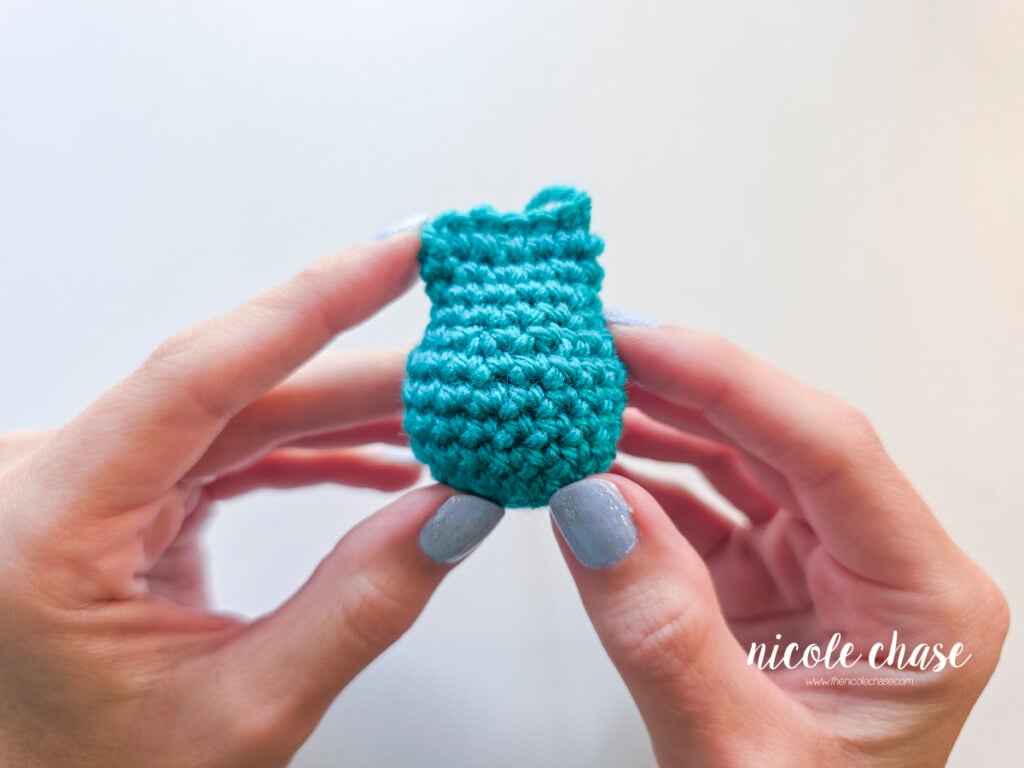
Mastering the crochet invisible decrease (inv dec) is the ultimate secret to achieving professional, smooth plushies. Unlike a standard decrease, which can leave noticeable bumps and gaps, the invisible single crochet decrease looks just like a regular single crochet stitch, leaving your fabric smooth and your stuffing completely hidden inside.
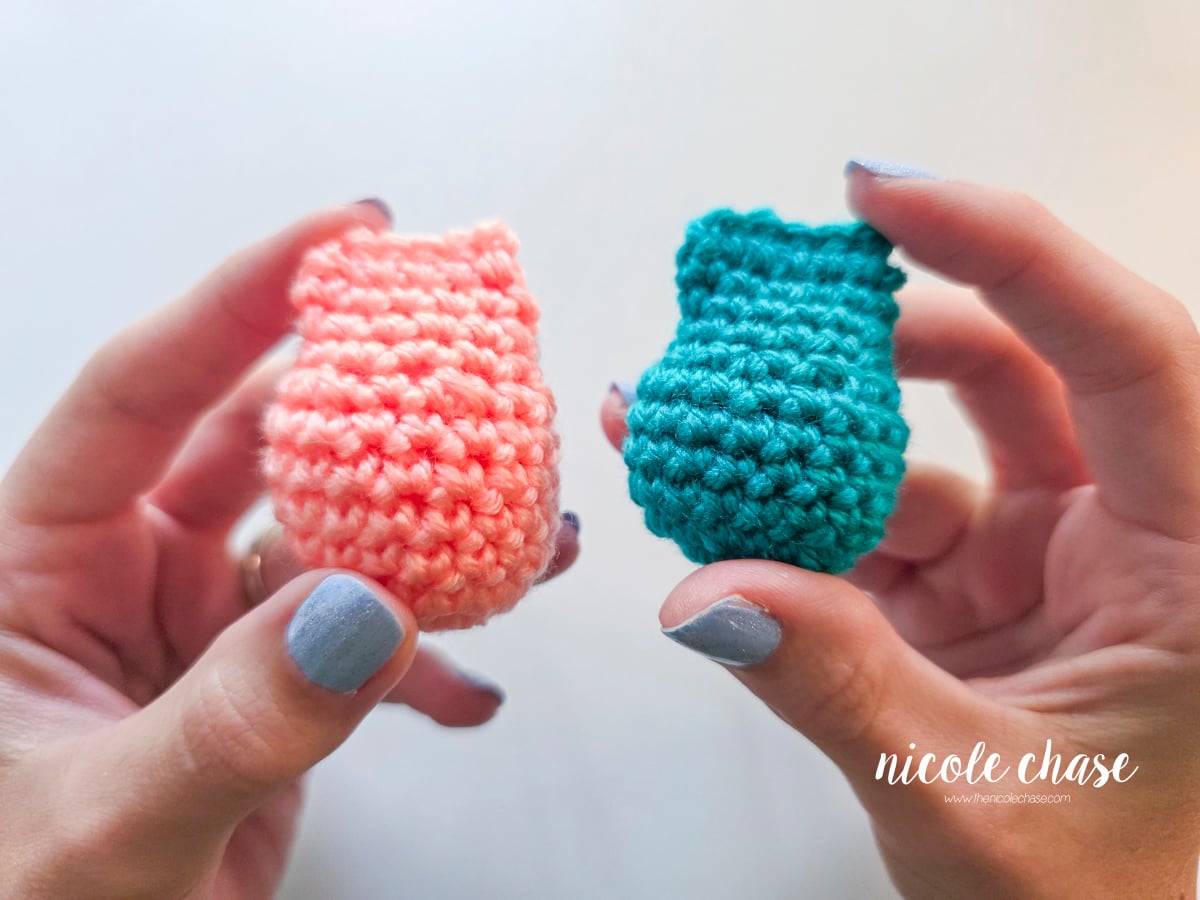
At a Glance: Learning the Crochet Invisible Decrease Stitch
Mastering the invisible decrease (inv dec) allows you to reduce single crochet stitches seamlessly, eliminating visible gaps, bulk, and bumps in your project. It is an essential technique for creating smooth, professional-looking plushies and stuffed toys.
- Skill Level: Beginner-friendly
- Relevant Abbreviations: Inv Dec, INV DEC, inv dec, SC2tog, dec, DEC
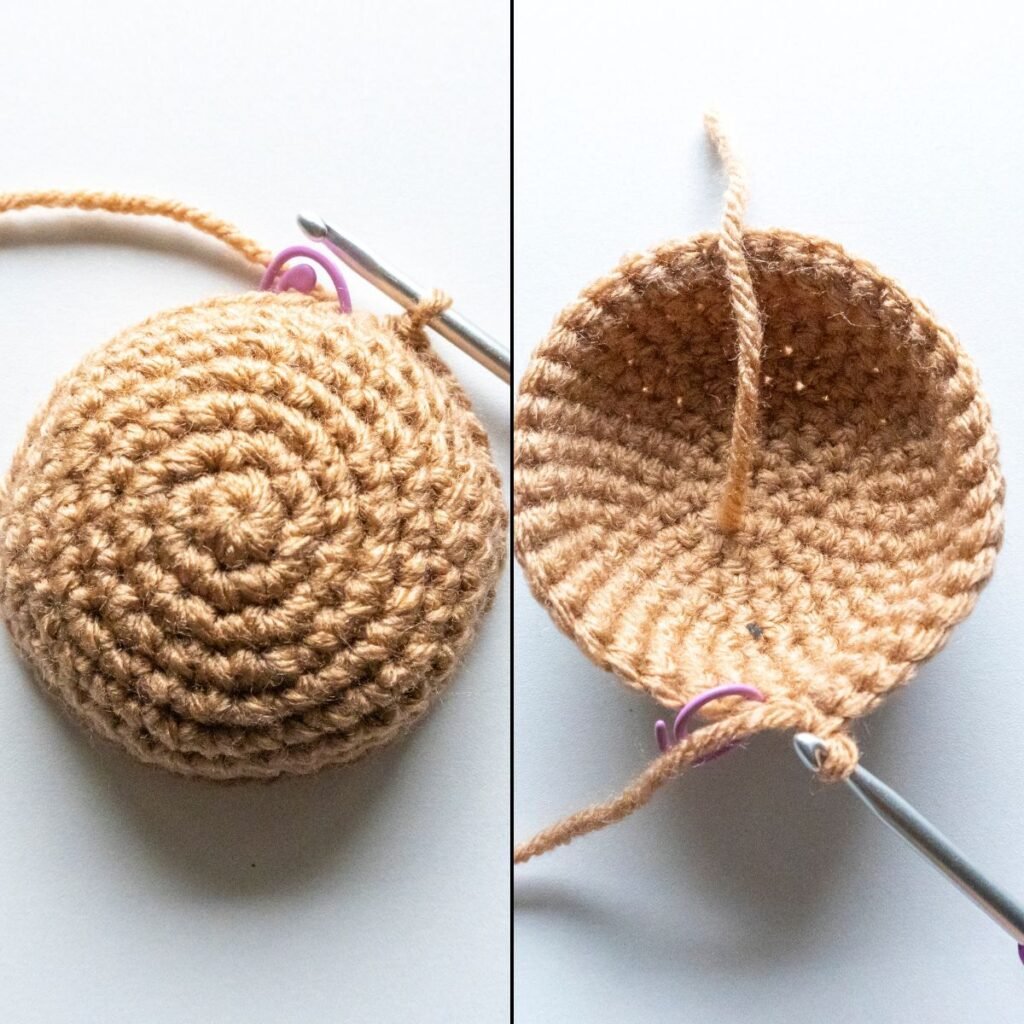
- Best Used For: Amigurumi, plushies, and spherical shapes, or any project (typically single crochet) worked in the round where only one side of your work will be visible.
- Tutorial Formats: On-page written instructions, step-by-step photos, troubleshooting tips, and a full video tutorial.
Table of Contents
Pin this inv dec crochet tutorial on Pinterest for later.
What is an Invisible Decrease in Crochet?
An invisible decrease (commonly abbreviated as inv dec) is a method of reducing your stitch count that results in a finish almost indistinguishable from a standard single crochet stitch.
While a standard decrease (single crochet decrease) pulls up loops through two full stitches and works them together, an invisible decrease is worked into the front loops only of two adjacent stitches. Because it is executed just like a single, regular single crochet stitch across those two front loops, it lays completely flat, matches your surrounding stitches, and keeps your amigurumi projects smooth without leaving gaps for stuffing to show through.
Understanding Pattern Abbreviations & Usage
- Is an invisible decrease the same as a SC2tog? Not automatically. The terms SC2tog (single crochet two together) specifies that you are decreasing using single crochet stitches, whereas dec (decrease) is a broad term that can refer to decreasing with any stitch type (such as double crochet or half double crochet). Neither abbreviation automatically implies an invisible decrease unless the pattern states it.
- Can you use it on any pattern? Yes! An invisible decrease is simply a technique for decreasing. Even if a pattern just writes “dec” or “SC2tog”, you can substitute an invisible decrease anytime you are working single crochet in the round to get a cleaner finish.
Why Use an Invisible Decrease for Amigurumi?
While a standard single crochet decrease accomplishes the same basic goal (reducing your stitch count), it pulls loops through both full stitches, creating a thicker cluster that leaves a noticeable bump, and often gaps at the top of the stitch.
Here is why the invisible decrease is superior for plushies:
- Eliminates Bumps: Because you are working into the front loops only, the stitch lays flat and mimics the look of a standard single crochet stitch.
- Prevents Stuffing Gaps: Standard decreases leave small gaps because the base of a standard decrease stitch is wider, while the top is narrower. The invisible decrease pulls adjacent loops closely together at the base, and the stitch itself is more uniform and matches your other single crochet stitches, keeping your fiberfill stuffing completely hidden inside.
- Provides a Professional Finish: The inv dec technique produces an almost undetectable transition across continuous rounds, ensuring your plushies look polished and seamless.
How to do an Invisible Decrease in Crochet (Step-by-Step)
To make learning as easy as possible, you can follow the written instructions and step-by-step photos below, or watch the detailed video tutorial for a full demonstration.
Video Tutorial for the Crochet Invisible Decrease
This video is also available on YouTube. Watch this video: Invisible Decrease Crochet Tutorial on YouTube.
Step-by-Step Instructions for an Invisible Decrease
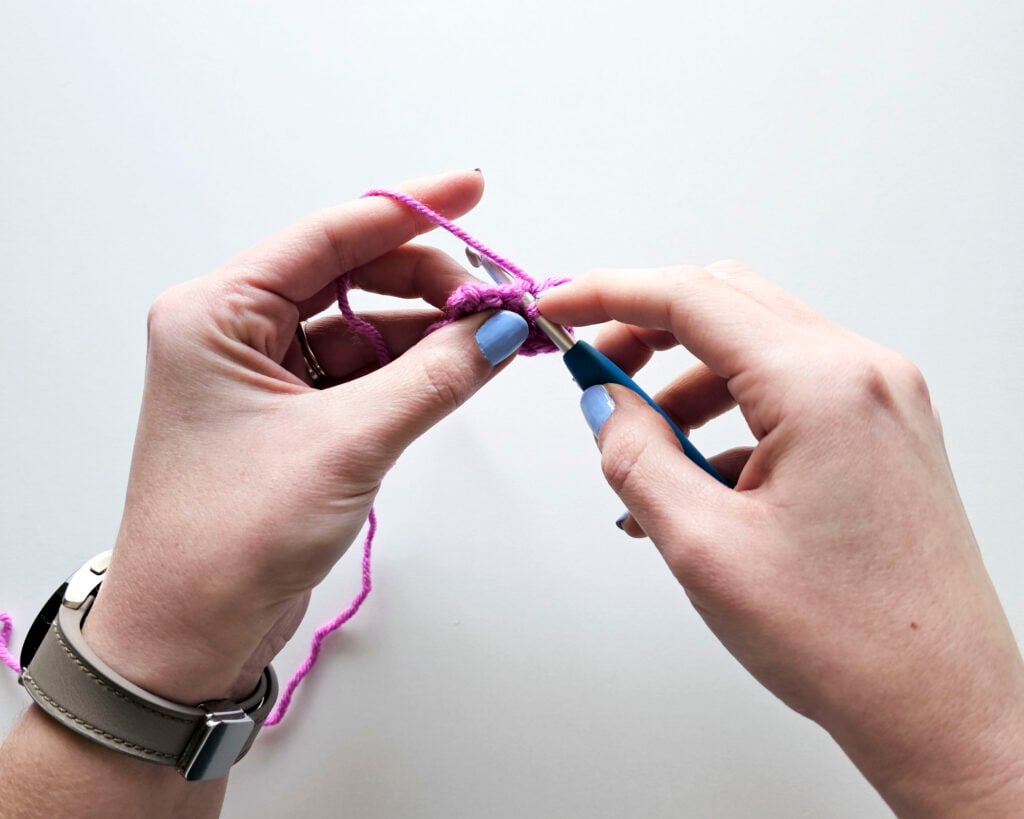
1. Insert your hook into the first front loop: Insert your hook under the front loop only of the first stitch. Do not yarn over yet.
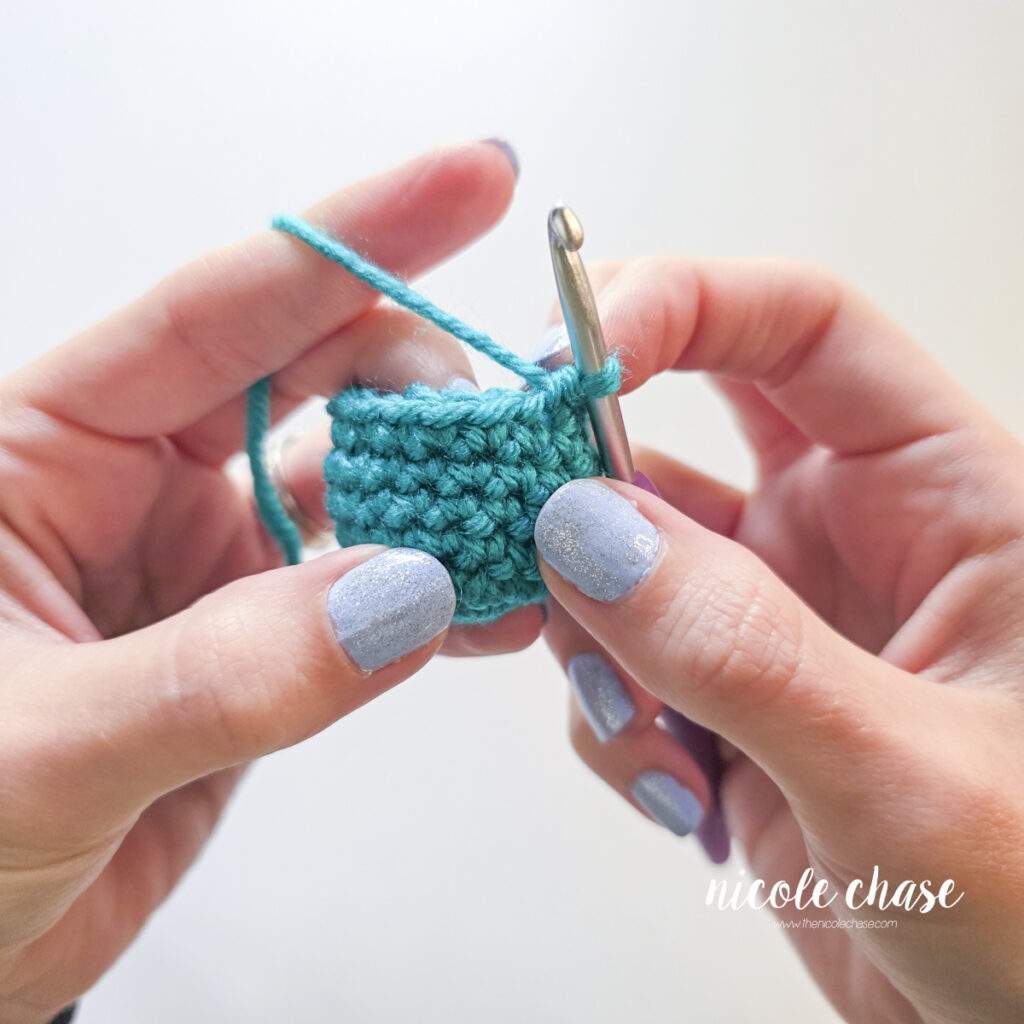
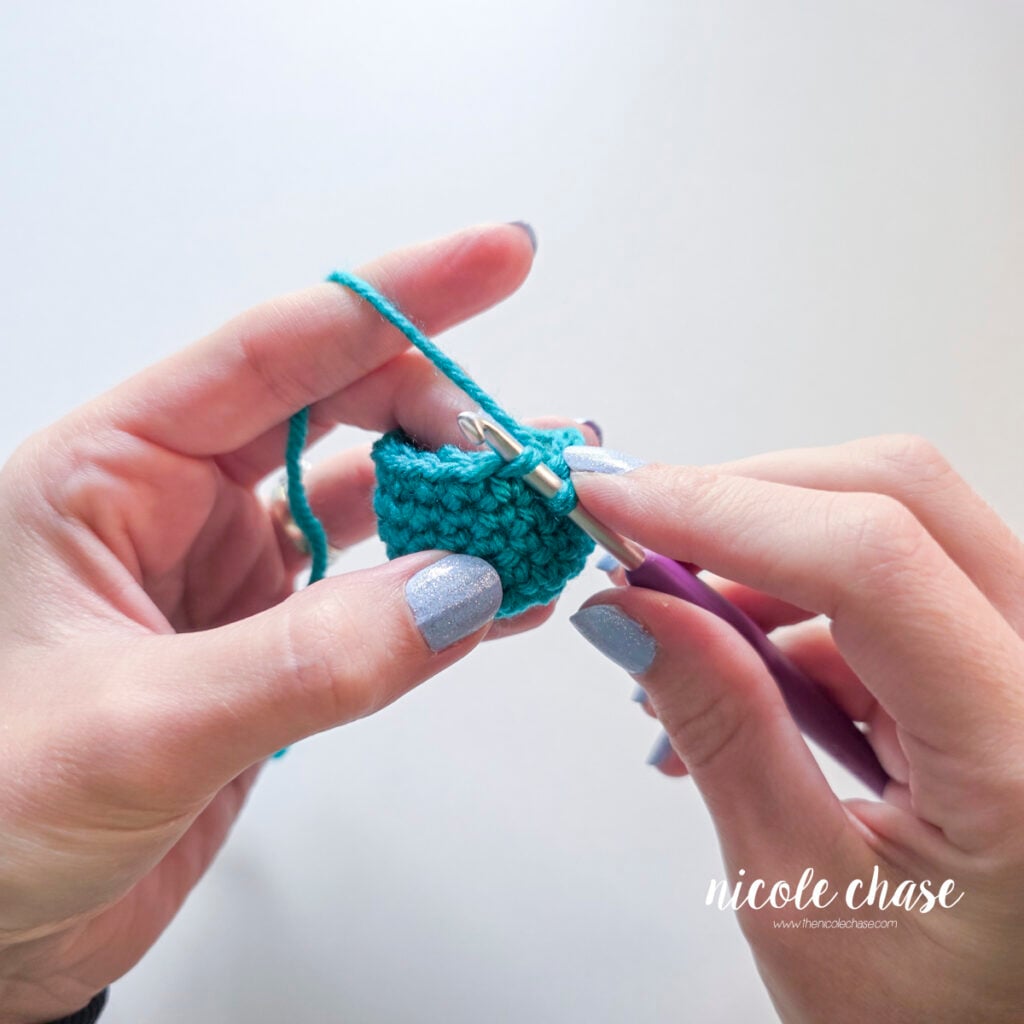
2. Insert into the second front loop: Pivot your hook and insert it directly under the front loop only of the second stitch. You will now have two front loops and your original working loop on your hook (3 loops total).
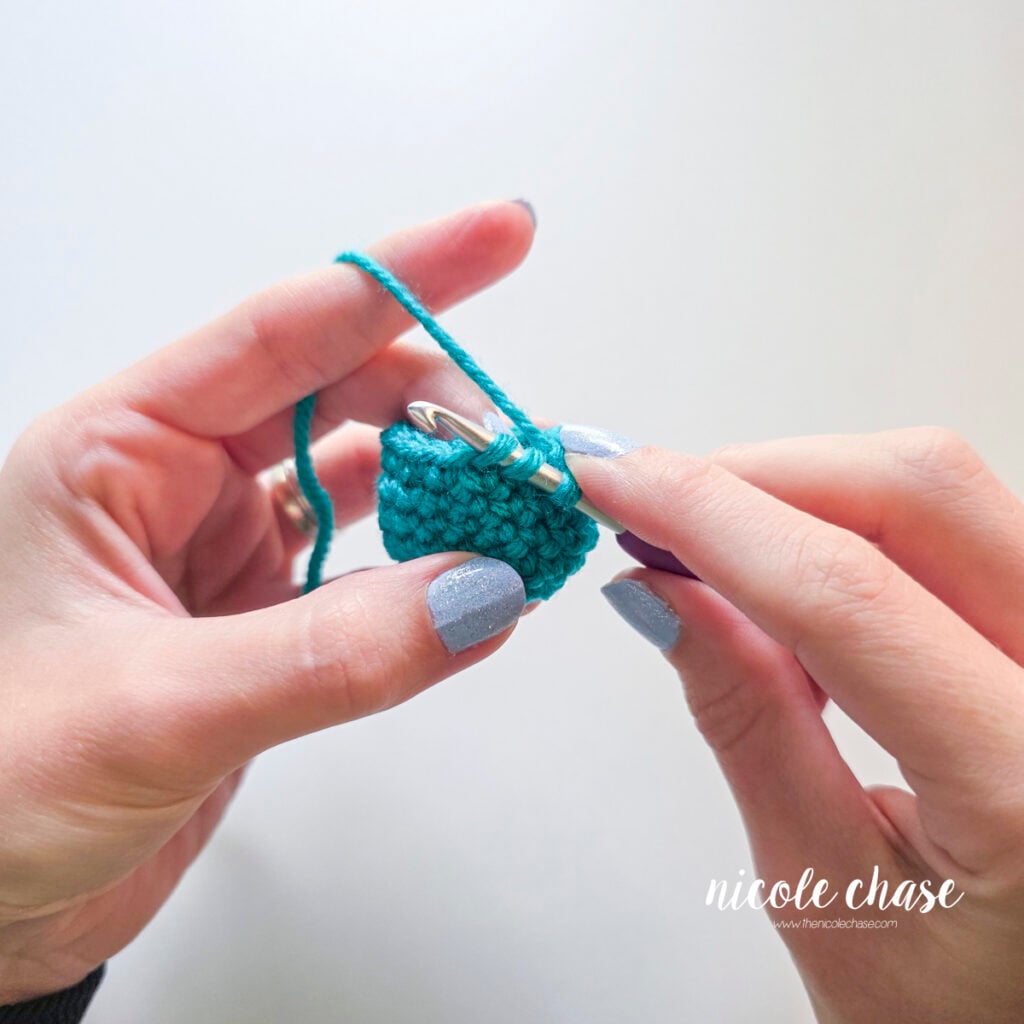
3. Yarn over and pull through two loops: Yarn over and pull the yarn through the first two loops (the two front loops) on your hook. You will be left with 2 loops on your hook.
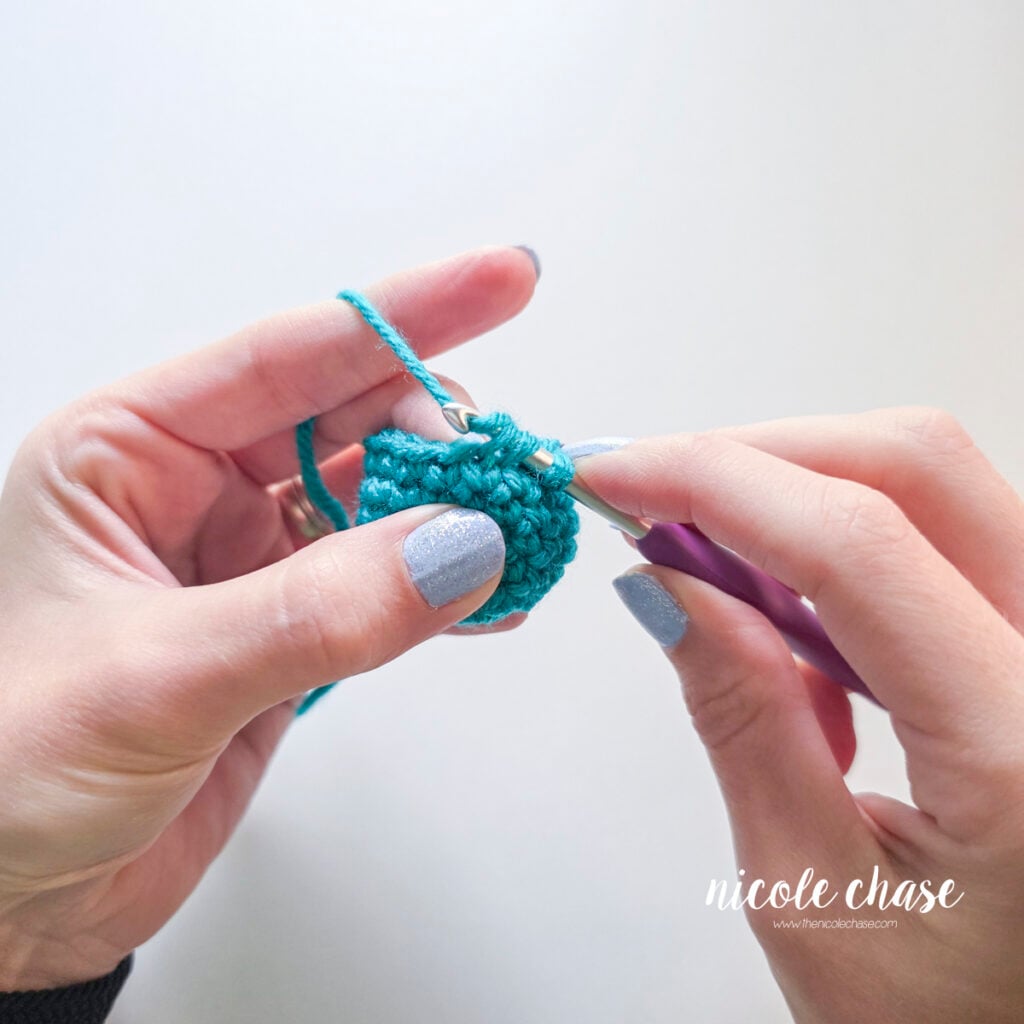
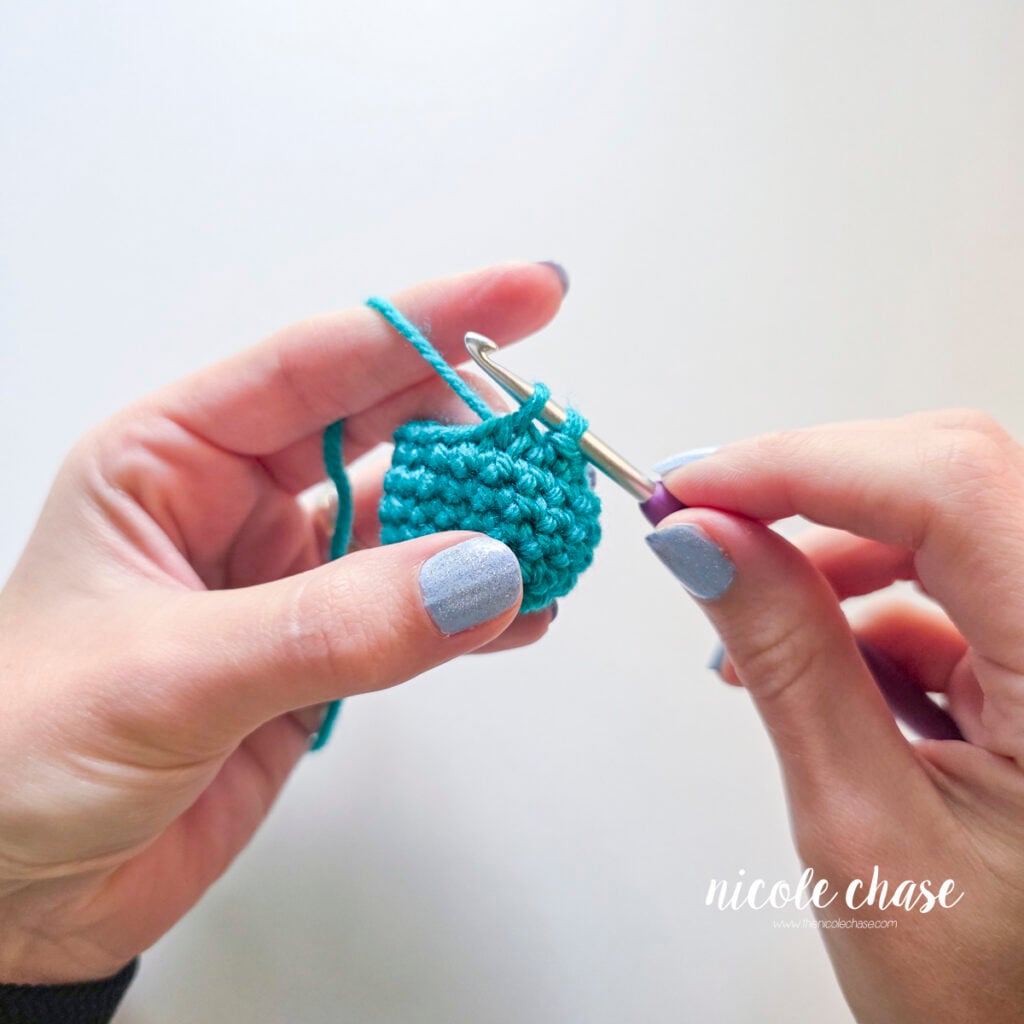
4. Yarn over and finish the stitch: Yarn over once more and pull through both remaining loops on your hook.
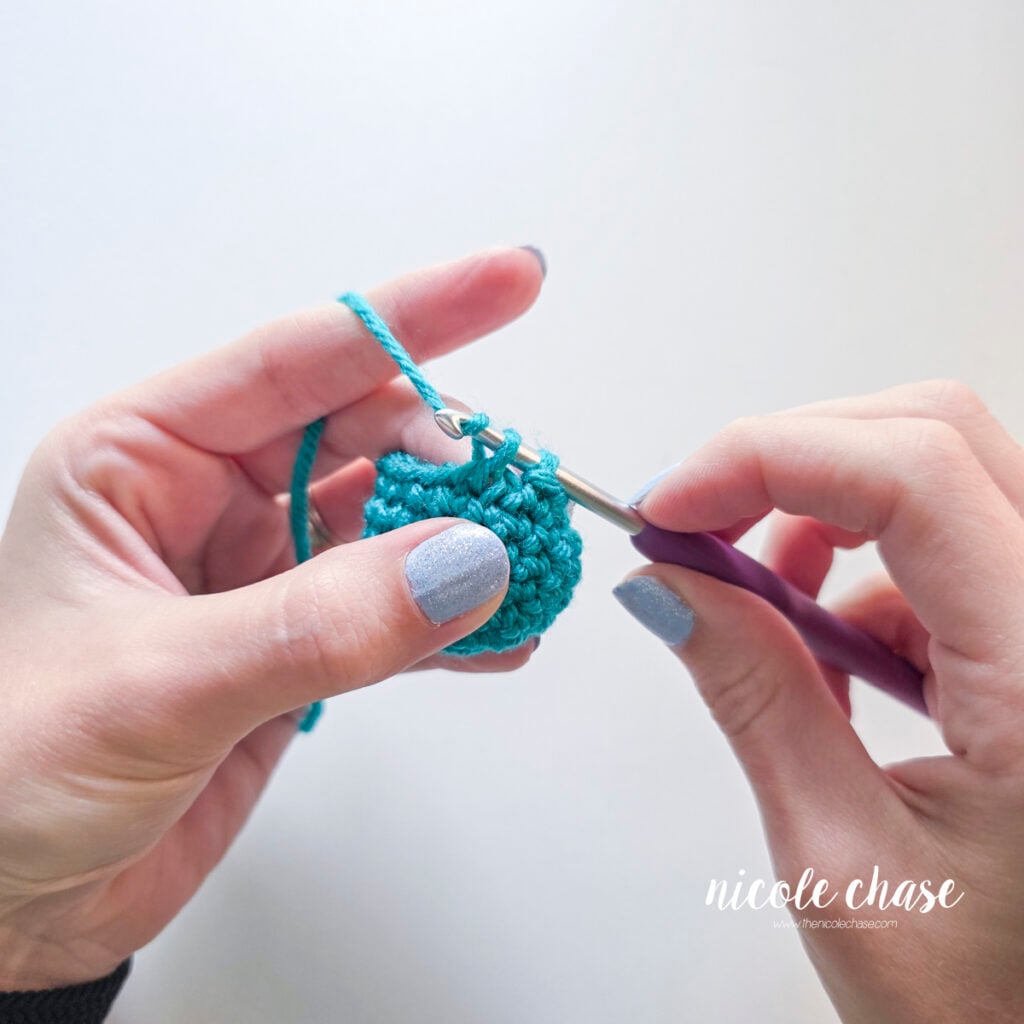
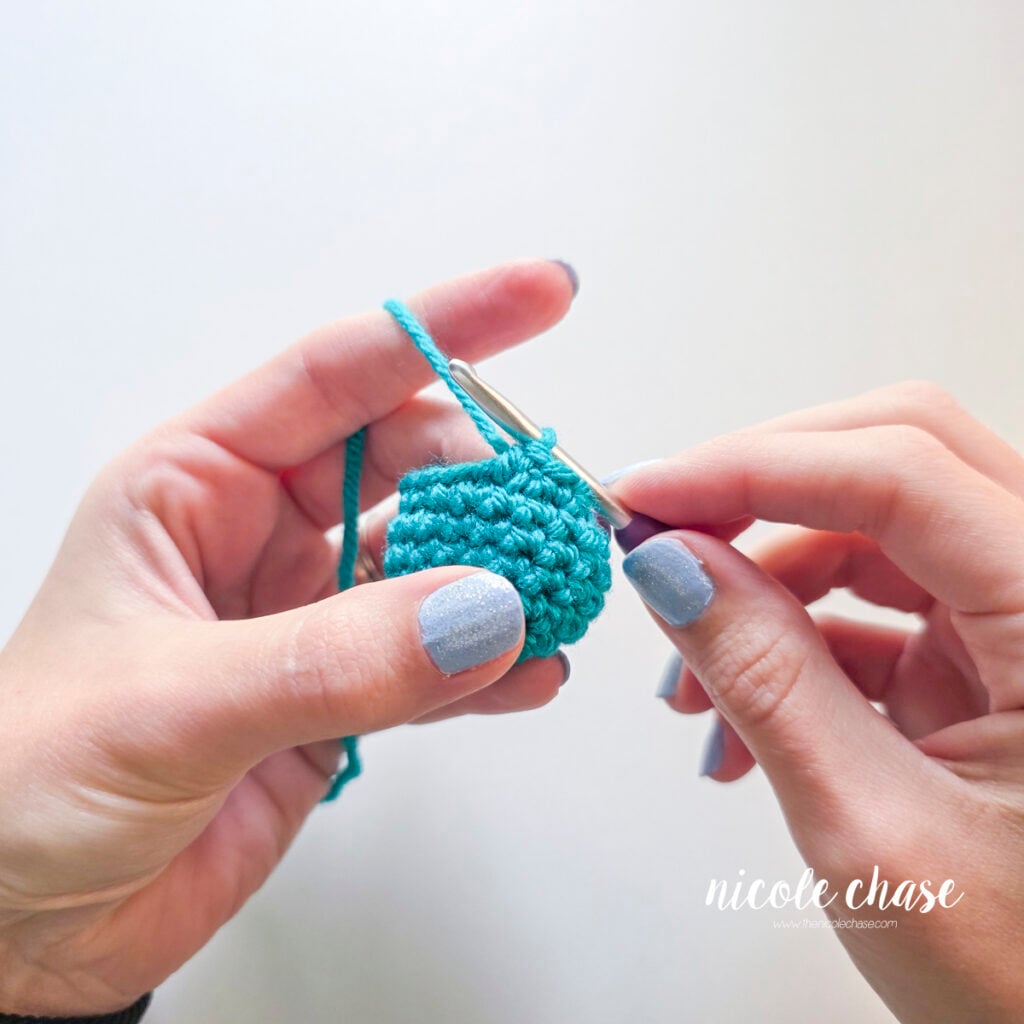
Congratulations! You’ve just completed a single crochet invisible decrease. It now looks and acts just like a standard single crochet stitch across those two stitches.
Frequently Asked Questions & Troubleshooting Tips
Why is my invisible decrease still showing gaps?
This can happen if your tension loosens when inserting your hook through the second front loop. Keep a slight, firm tension on your working yarn as you pull through the loops to keep the base snug. Using a smaller hook size (common in amigurumi) also ensures tight, gap-free stitches.
Can you do an invisible decrease with double or half double crochet?
Yes! The invisible decrease technique works for both half double crochet (HDC) and double crochet (DC) as well. You will follow the same concept: insert your hook under the front loops only of the next two stitches to work your normal stitches steps.
Can I use the invisible decrease when working in rows?
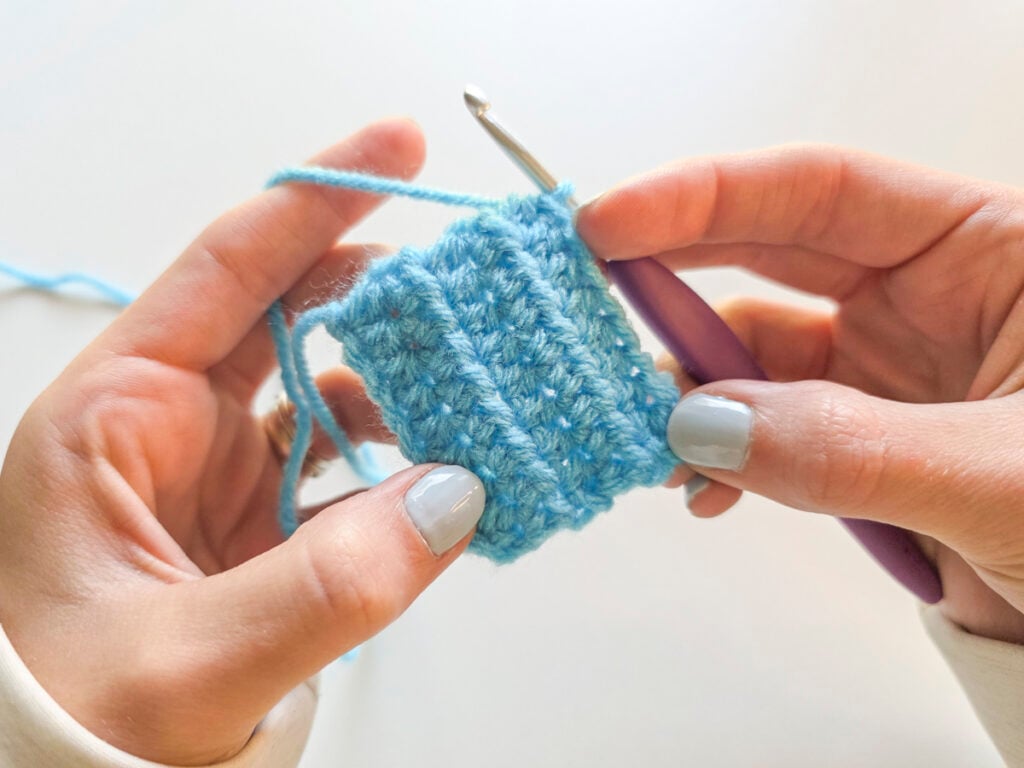
It is best used when working in continuous rounds (where the “right side” of your work is always facing you). When working back and forth in flat rows, the back loop of the decrease will be exposed on every other row, making the stitch very visible.
I hope that this step-by-step tutorial helps you achieve smooth, seamless results on your next plushie!

More Crochet Tutorials
If you enjoyed this tutorial on the amigurumi crochet decrease, be sure to explore my other step-by-step tutorials to master your amigurumi skills:
- Single Crochet Stitch Tutorial: Practice the foundational stitch used for almost all plushies.
- Single Crochet Increase and Decrease: Learn how standard increases and traditional decreases work so you can see the difference firsthand.
- Magic Ring Alternative: Discover an easy method to start your amigurumi in the round without struggling with a magic circle. (Great for plush yarns!)
- Basic Crochet Stitches for Amigurumi: A complete collection of the essential stitches every plushie maker needs to know.

I hope you enjoyed this post! Be sure to leave me a comment below to let me know what you think.
Want to see more from me? Be sure to subscribe to my email newsletter so that you never miss a post!
Follow along with me on Instagram for daily updates and a behind the scenes look at my designs.
I’d love to see what you make with this tutorial! Don’t forget to share your finished work with me: on social media by tagging me @thenicolechase, in your Ravelry projects, or post over in my Facebook group!
Thanks for stopping by! Happy crafting!
Nicole
PATTERN COPYRIGHT © 2026 NICOLE CHASE. ALL RIGHTS RESERVED.
PATTERN MAY NOT BE ALTERED, COPIED, REDISTRIBUTED OR SOLD AS YOUR OWN PATTERN.
YOU MAY SELL THE FINISHED PRODUCT ON A SMALL SCALE. PATTERN/DESIGN CREDIT GIVEN TO WWW.THENICOLECHASE.COM IS APPRECIATED. PERMISSION TO SELL DOES NOT INCLUDE MASS PRODUCTION. LARGE SCALE PRODUCTION IS PROHIBITED.
PHOTOGRAPHY COPYRIGHT © 2026 NICOLE CHASE. ALL RIGHTS RESERVED.
PHOTOS MAY NOT BE ALTERED, COPIED, REDISTRIBUTED OR SOLD AS YOUR OWN.
This post may contain affiliate links. If you make a purchase through links on our site, we may earn a commission.